Top 10 Tips for Buying Used Cars
- Chris Waskoviak
- Jul 11
- 3 min read

Buying a used car can be an exciting yet daunting experience. With so many options available, it’s easy to feel overwhelmed. However, with the right approach, you can find a great vehicle that fits your needs and budget. In this post, we will explore the top 10 tips for buying used cars, ensuring you make a smart and informed decision.
1. Set a Budget
Before you start shopping, it’s crucial to determine how much you can afford to spend. Consider not just the purchase price, but also additional costs like insurance, taxes, and maintenance.
Create a budget: Write down your maximum spending limit.
Include extra costs: Don’t forget about registration fees and potential repairs.
Setting a budget helps narrow down your options and keeps you from overspending.
2. Research the Market
Once you have a budget, it’s time to research. Look into different makes and models that fit your budget.
Use online resources: Websites like Kelley Blue Book and Edmunds can provide valuable information on car values.
Read reviews: Check consumer reviews to understand the reliability and performance of the cars you are considering.
Understanding the market will help you make a more informed choice.
3. Check Vehicle History Reports
Before you buy any used car, it’s essential to check its history. A vehicle history report can reveal important information about the car’s past.
Use services like Carfax or AutoCheck: These reports can show if the car has been in accidents, had title issues, or undergone major repairs.
Look for red flags: If the report shows multiple accidents or a salvage title, it may be best to steer clear.
A vehicle history report can save you from potential headaches down the road.
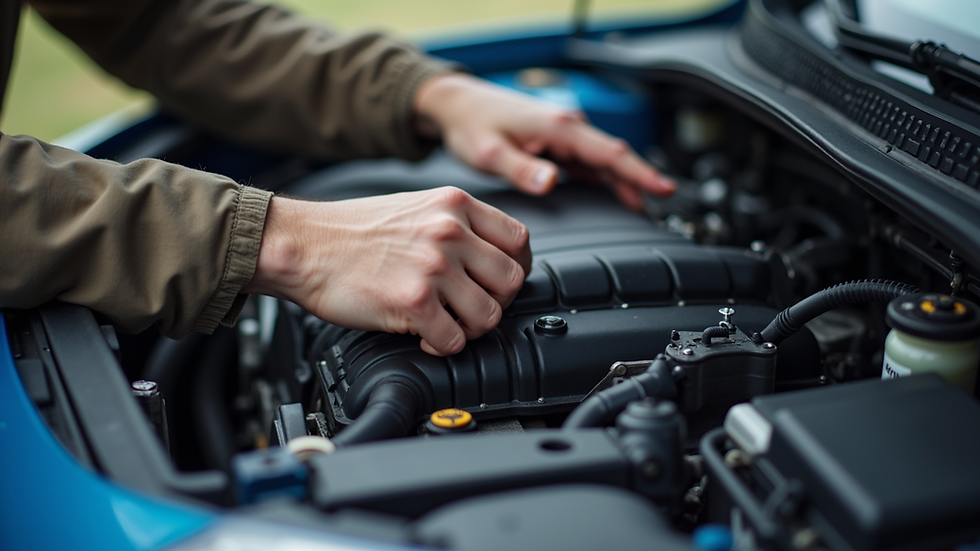
4. Inspect the Car Thoroughly
When you find a car you like, inspect it carefully. Look for signs of wear and tear, both inside and out.
Check the exterior: Look for dents, scratches, and rust.
Inspect the interior: Check the condition of the seats, dashboard, and electronics.
If you’re not comfortable doing this yourself, consider hiring a mechanic to perform a pre-purchase inspection.
5. Take a Test Drive
Never buy a used car without taking it for a test drive. This is your chance to see how the car handles and if it meets your expectations.
Test different conditions: Drive on highways, city streets, and even rough roads if possible.
Listen for unusual sounds: Pay attention to any strange noises that could indicate problems.
A test drive can reveal a lot about the car’s condition and performance.
6. Negotiate the Price
Once you’ve found the right car, it’s time to negotiate. Don’t be afraid to ask for a better price.
Use your research: Reference the market value and any issues you found during your inspection.
Be polite but firm: A respectful approach can go a long way in negotiations.
Remember, the goal is to reach a fair price that works for both you and the seller.
7. Review the Paperwork
Before finalizing the sale, make sure to review all the paperwork. This includes the title, bill of sale, and any warranties.
Check the title: Ensure it is clear and not branded as salvage or rebuilt.
Understand the terms: If there are any warranties or return policies, make sure you know the details.
Proper paperwork is essential for a smooth transaction and future ownership.
8. Consider Financing Options
If you need financing, explore your options before committing to a loan.
Shop around: Compare rates from banks, credit unions, and dealerships.
Understand the terms: Look for loans with favorable interest rates and terms that fit your budget.
Finding the right financing can save you money in the long run.
9. Don’t Rush the Process
Buying a used car is a significant investment, so take your time.
Don’t settle: If you don’t find the right car, be patient and keep looking.
Revisit your options: Sometimes, waiting a few weeks can lead to better deals.
Rushing can lead to regrets, so ensure you are making the right choice.
10. Trust Your Instincts
Finally, trust your instincts. If something feels off about a car or a deal, it’s okay to walk away.
Listen to your gut: If you have doubts, it’s better to keep searching.
Seek advice: Talk to friends or family who have experience with used cars.
Your intuition can be a valuable tool in the buying process.
As you embark on your journey to buy a used car, remember these tips. They will help you navigate the process with confidence and ease.
Finding the right used car is not just about getting a good deal; it’s about making a choice that fits your lifestyle and needs. With careful planning and research, you can drive away in a vehicle that you love. Happy car hunting!

Comments