Navigating the Market: How to Sell Your Used Car
- Chris Waskoviak
- Jul 11
- 4 min read

Selling your used car can feel like a daunting task. You want to get the best price, but you also want to make the process as smooth as possible. Whether you are upgrading to a new vehicle or simply need to part ways with your current one, understanding the market is key. In this guide, we will walk you through the steps to successfully sell your used car, ensuring you maximize your profit while minimizing stress.
Understanding the Market
Before you put your car up for sale, it is essential to understand the current market conditions. Researching the market will help you set a realistic price and attract potential buyers.
Check Online Listings: Websites like Kelley Blue Book, Edmunds, and Autotrader can provide valuable insights into the current market value of your car. Look for similar models in your area to gauge the going rate.
Consider Seasonal Trends: The time of year can affect car sales. For example, convertibles may sell better in the spring and summer, while SUVs might be more desirable in the fall and winter.
Evaluate Demand: Some cars are in higher demand than others. If your vehicle is a popular model, you may be able to ask for a higher price.
Preparing Your Car for Sale
Once you have a good understanding of the market, it is time to prepare your car for sale. A well-presented vehicle can significantly increase its value.
Clean Your Car: A thorough cleaning, both inside and out, can make a big difference. Consider getting a professional detailing service to ensure your car looks its best.
Make Minor Repairs: Fix any small issues, such as scratches or dents. If your car has mechanical problems, consider addressing them before selling. Buyers are more likely to pay a premium for a car that is in good condition.
Gather Documentation: Collect all relevant paperwork, including the title, maintenance records, and any warranties. Having this information ready can instill confidence in potential buyers.
Setting the Right Price
Pricing your car correctly is crucial. If you set the price too high, you may scare off potential buyers. If you set it too low, you could lose out on money.
Use Online Tools: As mentioned earlier, use online valuation tools to get an estimate of your car's worth.
Consider Your Car's Condition: Take into account the mileage, age, and overall condition of your vehicle. A well-maintained car with low mileage can command a higher price.
Be Open to Negotiation: Set your initial asking price slightly higher than the lowest price you are willing to accept. This gives you room to negotiate with buyers.
Choosing the Right Selling Method
There are several ways to sell your used car, each with its pros and cons. Consider which method works best for you.
Private Sale: Selling your car privately can yield the highest profit. You can list your car on websites like Craigslist or Facebook Marketplace. However, this method requires more effort in terms of marketing and meeting potential buyers.
Trade-In: If you are buying a new car, consider trading in your old one. While you may not get the best price, it can simplify the process.
Dealership Sale: Some dealerships will buy your car outright, even if you are not purchasing a new vehicle. This can be a quick and easy option, but you may not get the best price.
Marketing Your Car
Once you have decided how to sell your car, it is time to market it effectively. Good marketing can attract more buyers and help you sell your car faster.
Take Quality Photos: High-quality images can make your listing stand out. Take pictures from various angles, including the interior and exterior.

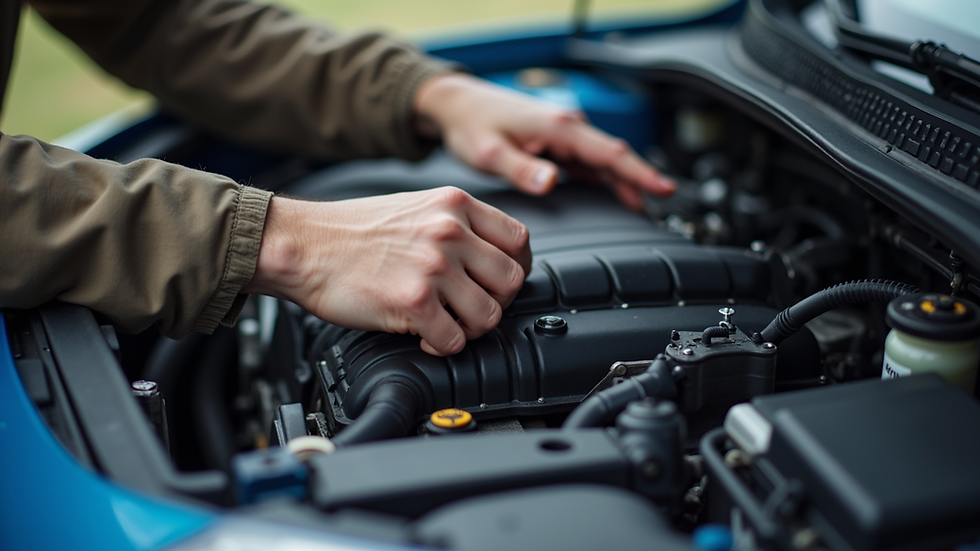
A well-maintained used car ready for sale. Write a Compelling Description: Be honest and detailed in your description. Highlight the car's features, maintenance history, and any upgrades.
Share on Social Media: Utilize your social media platforms to spread the word. Friends and family may know someone looking for a car.
Meeting Potential Buyers
When potential buyers express interest, it is important to handle meetings professionally and safely.
Choose a Safe Location: Meet in a public place, such as a parking lot, to ensure safety for both you and the buyer.
Be Prepared for Questions: Buyers will likely have questions about the car's history and condition. Be honest and transparent to build trust.
Allow Test Drives: Letting buyers test drive the car is essential. Accompany them during the drive to answer any questions they may have.
Finalizing the Sale
Once you have found a buyer, it is time to finalize the sale. This step is crucial to ensure a smooth transaction.
Negotiate the Price: Be open to negotiation, but know your bottom line. If the buyer offers a fair price, consider accepting it.
Complete the Paperwork: Ensure all necessary paperwork is completed, including the title transfer and bill of sale. Check your local regulations for specific requirements.
Accept Payment Securely: Cash is the safest option, but if you accept a check, ensure it clears before handing over the keys.
After the Sale
After selling your car, there are a few final steps to take care of.
Cancel Insurance: Once the sale is complete, contact your insurance company to cancel your policy on the sold vehicle.
Remove Personal Items: Make sure to remove all personal belongings from the car before handing it over to the new owner.
Notify the DMV: Depending on your state, you may need to notify the Department of Motor Vehicles about the sale. This can help protect you from any future liabilities.
Wrapping It Up
Selling your used car does not have to be a stressful experience. By understanding the market, preparing your vehicle, and following the right steps, you can navigate the process with ease. Remember to stay informed, be honest with potential buyers, and keep safety in mind. With a little effort, you can successfully sell your car and move on to your next adventure. Happy selling!

Comments